
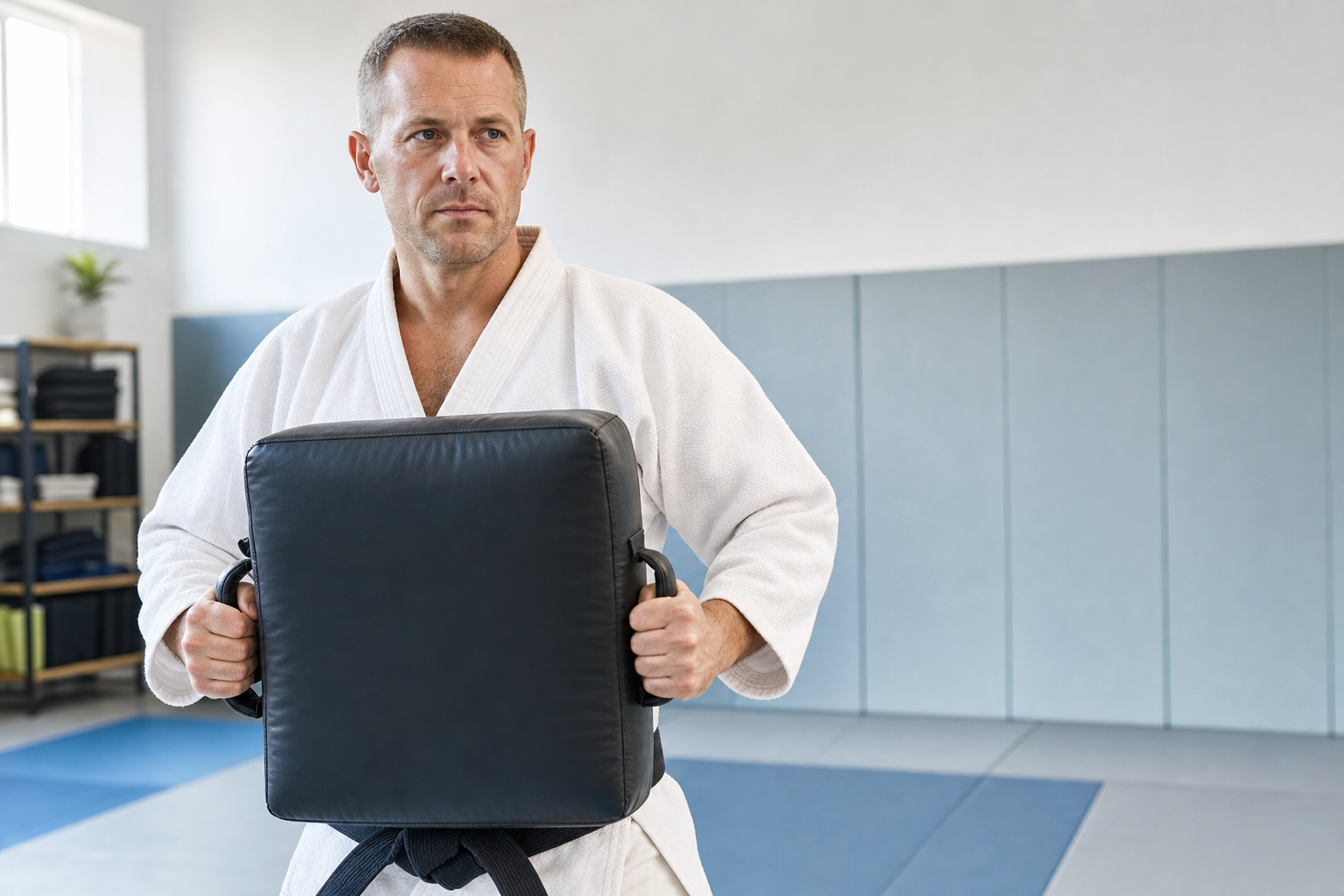
How training supports confidence
Confidence through doing
Clear techniques let you feel progress rather than hoping it appears.
Better body awareness
Balance, posture and movement can help you feel more settled in yourself.
Supportive partner practice
Working with others builds communication, trust and calmer responses.
Confidence that grows from real progress
Confidence usually grows when you can do something that once felt difficult. Our confidence building martial arts classes use manageable techniques, repetition and clear feedback to help children and adults feel more sure of themselves through practice. We do not expect instant change. Instead, we help you build balance, posture and coordinated movement, then use steady progress to make each new step feel possible. For many students, a first class at Wing Chun is where that shift starts.
Use movement and partner work to feel steadier
Controlled partner exercises add another part of the process. Training at Wing Chun helps you listen, communicate and stay measured while working with other people, which can make group situations feel easier over time. We also use clear stages and grading goals, so improvement is visible rather than vague. That matters if you are shy, coming back after a gap or simply want a better way to test yourself without harsh pressure. Confidence through Wing Chun is built, not borrowed.
Frequently asked questions
Can martial arts help if we feel shy?
Yes. Many people become more confident when they can follow a clear structure and see steady improvement. We use manageable steps, repetition and clear feedback, which can make a new group setting feel less overwhelming over time.
How does partner work build confidence?
Controlled partner drills help you listen, communicate and stay calm while working with someone else. As the movements start to make sense, many students feel more comfortable in the class and more sure of their own ability to respond well.
Is confidence training only for children?
No. Children, teenagers and adults can all benefit from training that turns uncertain movement into something clearer and more controlled. Confidence often comes from being able to do the work, and that process matters at every age.