

What helps beginners settle in well
Clear entry-level structure
We teach the basics in an order that helps you settle and understand them.
Partner work introduced gradually
You do not get rushed into drills before your balance and movement improve.
A route beyond the first class
Basic training prepares you for mixed sessions and later advanced practice.
Start with the fundamentals, not the pressure
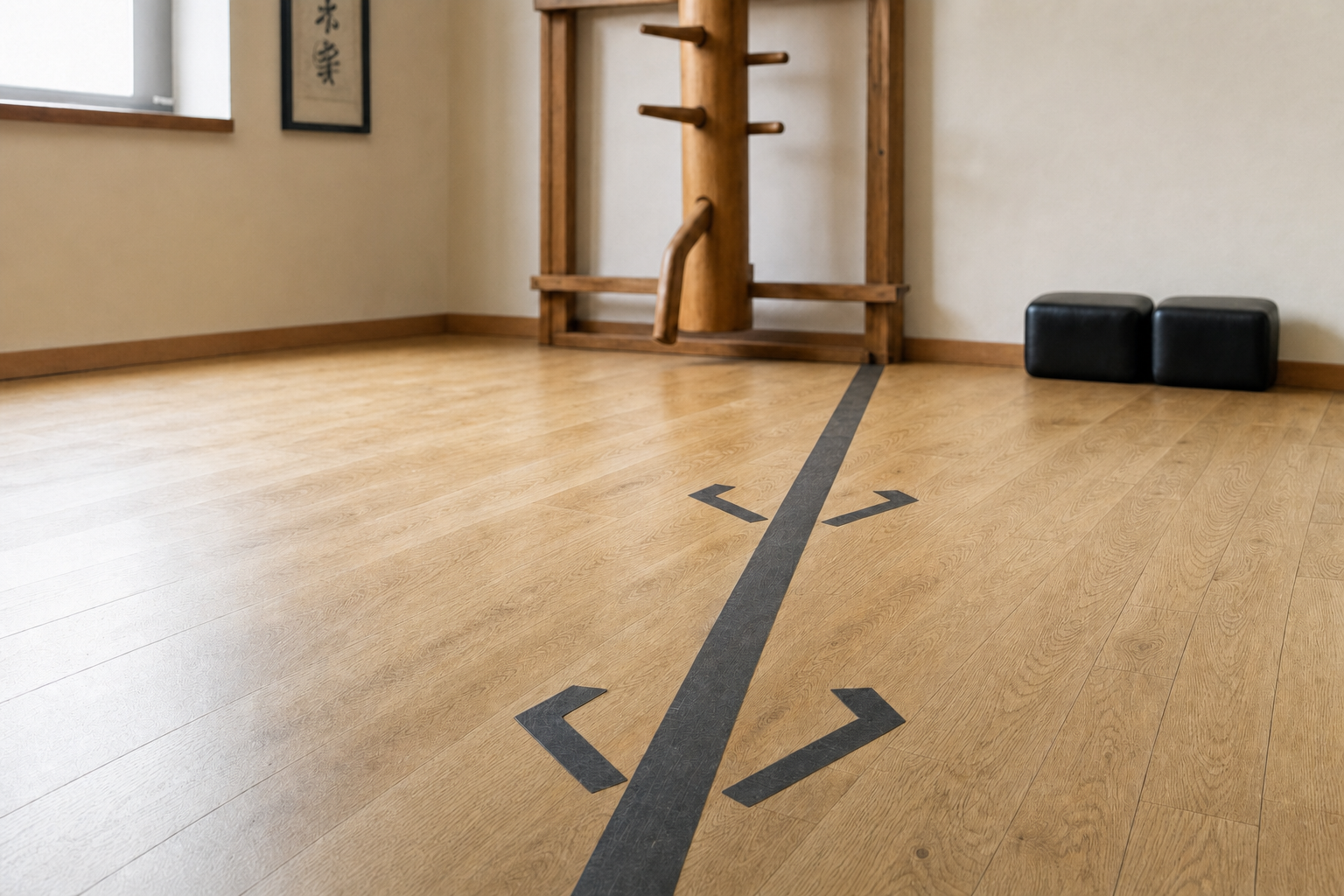
Starting a martial art can feel like the hardest part, especially if you are not sure what a class will ask of you. Our beginner Wing Chun route is designed to make that first step clear. We use the adult basic class to teach posture, stance, balance, centreline awareness, basic footwork and efficient hand positions in a manageable order. Instead of rushing into complex drills, we help you understand how each movement works and give you time to repeat it properly.
Build confidence before the training broadens
As your confidence grows, we introduce controlled partner work so you can connect solo practice with timing, distance and simple application. Training at Wing Chun is built on repetition and accurate movement rather than strength, so you do not need to arrive already fit or experienced. We also explain class etiquette and how partner practice works, which helps many beginners settle more quickly. Progress at Wing Chun then creates a natural route into mixed training and later advanced work.
Frequently asked questions
Do we need to be fit before starting?
No. The beginner route is about learning movement accurately and steadily, not proving how fit you already are. We build posture, balance, footwork and simple drills in a manageable order, which lets your coordination and confidence improve as the training develops.
What are the first Wing Chun skills we learn?
We start with posture, stance, balance, centreline awareness, basic footwork and simple hand positions. These skills give you the foundation for later partner drills and practical application, so we make sure the basics are understood before the work becomes more demanding.
When can beginners move into mixed training?
That depends on how well the core skills are settling in. Once posture, movement and early partner work are becoming more consistent, mixed classes can make sense as the next step. The aim is steady progression, not moving on before the foundations are ready.